
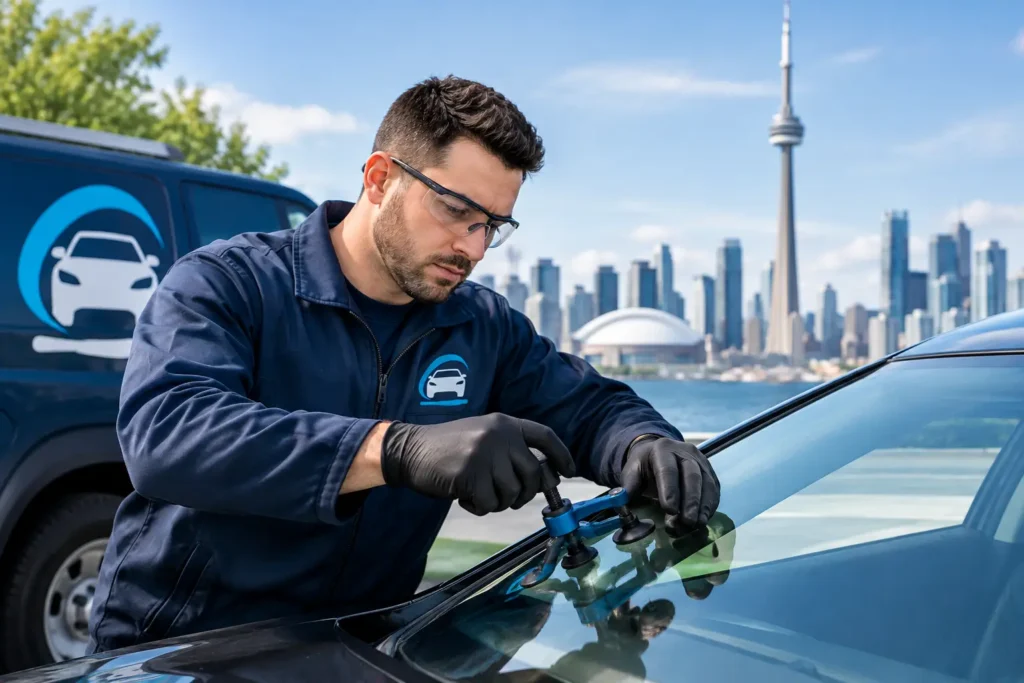
A windshield chip can look minor when you first notice it in the driveway. Then a cold Toronto morning, a pothole, or a blast of heat from the defroster turns that small mark into a spreading crack. Auto glass repair Toronto drivers need is not just about making the damage look better. It is about restoring clear visibility, protecting the vehicle’s structure, and getting you back on the road without unnecessary downtime.
The right solution depends on the glass, the location of the damage, and the condition of the break. A trustworthy technician should assess those details before recommending repair or replacement. The fastest option is not always the safest one, but with a proper inspection, many jobs can be completed the same day at a home, workplace, or safe roadside location.
Auto Glass Repair Toronto Drivers Can Rely On
Windshield damage is common across the GTA. Road salt, loose gravel, construction debris, and sudden temperature changes all put stress on automotive glass. What matters is how quickly you respond and whether the damage has already compromised the glass beyond a safe repair.
A professional assessment starts with the type of glass involved. Windshields are typically made from laminated safety glass, with a protective layer between two pieces of glass. That construction can often contain a chip or short crack long enough for a technician to repair it. Side windows and rear windows are generally tempered glass. When tempered glass breaks, it usually shatters into small pieces and requires replacement rather than repair.
There is no benefit to guessing based on a photo alone. A chip that appears small may have deeper internal fractures, while a crack that looks concerning may still be repairable if it is fresh, stable, and away from critical areas. An honest recommendation protects your safety and your budget.
When a Windshield Repair May Be the Right Choice
Windshield repair is designed to stabilize damage and improve visibility. A technician cleans the damaged area, removes trapped moisture or debris where possible, and injects specialized resin into the break. Once cured, the resin helps prevent the damage from spreading further.
Repair is often worth considering when the chip is relatively small, the crack is short, and the damage is not directly in the driver’s primary viewing area. Damage near the outer edge of the windshield needs closer attention because the edge is a high-stress area. A technician must also check whether the inner layer of the windshield has been damaged.
A repaired chip may not disappear completely. The goal is structural stabilization and clearer vision, not an invisible cosmetic finish. That trade-off is usually worthwhile when the repair is safe and can preserve the original windshield.
Time matters. Moisture, road grime, washer fluid, and repeated temperature changes can make a repair less effective. If you have a fresh chip, avoid pressing on it or aggressively cleaning it. Covering the area lightly until it can be inspected may help keep contamination out.
When Replacement Is the Safer Recommendation
Replacement becomes the better option when a crack is long, branches into multiple lines, reaches the edge of the windshield, or interferes with the driver’s view. It is also necessary when the glass has damage on both layers or has sustained a severe impact.
A replacement windshield is not simply a pane of glass fitted into an opening. The windshield is bonded to the vehicle frame with automotive-grade urethane, helping support the cabin structure and keeping the glass securely in place. Proper preparation, adhesive application, placement, and curing time all affect the result.
For door glass, quarter glass, and rear windshields, replacement is usually the only safe path after a break. The job includes more than removing visible fragments. Glass can remain inside door panels, seats, trunk areas, weather seals, and window tracks. Thorough cleanup and correct reassembly are essential, especially after a break-in or sudden shatter.
Why Installation Quality Matters
A windshield affects much more than your view of the road. It works with the vehicle body to help maintain structural integrity, and it must remain properly secured during everyday driving and in a collision. Poor installation can lead to wind noise, water leaks, rattling, loose molding, or more serious safety concerns.
Quality auto glass work follows vehicle-specific procedures. That means using the correct glass, compatible materials, clean bonding surfaces, and installation practices that meet OEM standards. It also means respecting the adhesive’s safe drive-away time. Leaving too soon can compromise the bond, even if the windshield appears fully installed.
Newer vehicles may have cameras, sensors, heating elements, antennas, or other components connected to the windshield area. Those systems require careful handling during replacement. A qualified technician should confirm that all applicable components are restored and functioning correctly before the job is considered complete.
This is why the lowest quote is not always the lowest-cost decision. Price matters, particularly when an unexpected repair disrupts your week. But a transparent quote should explain what glass is being used, what work is included, and whether the installation is backed by a workmanship warranty.
Mobile Service That Respects Your Time
A cracked windshield should not automatically mean rearranging your entire day. Mobile service is especially useful for commuters, parents, delivery drivers, and anyone whose vehicle cannot be safely driven to a shop. With the right space and conditions, a certified technician can perform high-quality work at your home or workplace.
The location must be safe, accessible, and suitable for the repair. Severe weather, tight parking conditions, or a vehicle positioned in an unsafe roadside area may make a shop appointment the better choice. A responsible provider will tell you that upfront rather than rush a job in conditions that could affect quality.
For emergency side-window damage, mobile service can also help secure the vehicle quickly. Removing broken glass, replacing the damaged panel, and checking window operation can make a major difference after a break-in. The goal is to restore protection and help you avoid leaving your vehicle exposed overnight.
Xtreme Auto Glass provides mobile service throughout Scarborough, Toronto, and the GTA, pairing convenience with the same precision and care expected from shop-quality work.
Using Insurance for Auto Glass Damage
Many Ontario drivers have coverage that may help with windshield repair or replacement, although the details depend on the policy, deductible, and cause of the damage. Comprehensive coverage commonly applies to incidents such as flying debris, vandalism, or a broken window, but no two policies are exactly alike.
Before authorizing work, ask for a clear explanation of the estimate and the claims process. A service provider experienced with insurance claims can help verify available information, document the damage, and provide the details your insurer may require. You should still understand whether a deductible applies and whether filing a claim makes financial sense for your situation.
For a small repair, paying directly can sometimes be simpler than opening a claim. For a full windshield or shattered side window, insurance may be more helpful. The right answer depends on your coverage and the final repair recommendation, not a one-size-fits-all sales pitch.
What to Do After You Notice Damage
Start by looking at the damage without touching it. If the glass is shattered, keep passengers away from loose fragments and avoid slamming doors, which can cause more glass to fall. If it is a windshield chip or crack, take a quick photo for your records and arrange an assessment as soon as practical.
Avoid temporary fixes that can make professional work harder. Household glues, tape pressed directly into a chip, and harsh cleaners can contaminate the damage. If visibility is impaired, the crack is spreading rapidly, or the glass is loose, do not treat the vehicle as road-ready until a technician has evaluated it.
The best next step is simple: get a free, no-pressure assessment while the damage is still manageable. A clear answer from a certified technician can turn an uncertain safety issue into a practical plan to get your clarity back.