A new windshield can look perfect and still leave a safety-critical job unfinished. On many late-model vehicles, ADAS calibration after windshield replacement is necessary to confirm that the forward-facing camera behind the glass recognizes the road from its proper position. That camera may support features you rely on every day, including lane-departure warnings, lane-keeping assistance, forward-collision alerts, and automatic emergency braking.
The windshield is not simply a pane of glass anymore. It can be part of the mounting environment for cameras and sensors that help your vehicle make split-second decisions. Replacing damaged glass with precision and care protects visibility. Calibrating the related camera system helps protect the accuracy of the driver-assistance features built around it.
Why ADAS Calibration After Windshield Replacement Matters
A forward-facing camera is typically mounted near the rearview mirror, looking through a specific area of the windshield. Even when the replacement glass is the correct fit and installed to OEM standards, small differences in camera position, windshield angle, mounting, or vehicle alignment can change what the camera sees.
The system does not know that glass work has been completed unless it is reset and calibrated as required by the vehicle manufacturer. Without that step, the camera may interpret lane markings, following distance, road edges, or objects in front of the vehicle less accurately. A warning light may appear, but not every vehicle gives a clear warning when its camera is out of specification.
This is why a windshield replacement should never be treated as a cosmetic repair. Clear glass matters for your view of the road, but proper camera alignment matters for the technology working behind the glass as well.
Which Vehicles May Need Calibration?
The need for calibration depends on the make, model, trim, and equipment in your vehicle. Newer vehicles are more likely to have camera-based safety systems, but the feature can appear on vehicles that do not seem especially high-tech at first glance.
You may need calibration if your vehicle has a camera mounted near the rearview mirror and offers features such as lane-keeping support, adaptive cruise control, traffic-sign recognition, forward-collision alerts, pedestrian detection, or automatic emergency braking. Some vehicles also require calibration after related work, including suspension repair, wheel alignment, collision repair, or replacement of a camera bracket.
The safest approach is not to guess based on the dashboard or model year. A qualified technician should identify the vehicle’s equipment, review manufacturer procedures, and determine whether calibration is required for that specific windshield replacement.
Static and Dynamic Calibration Are Not the Same
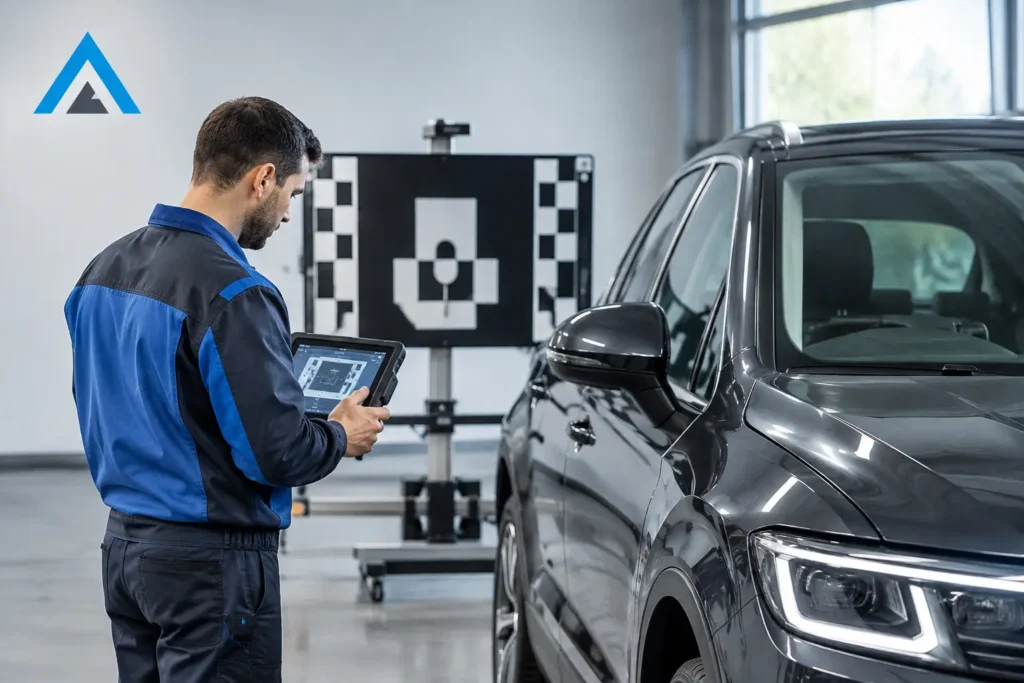
Manufacturers use different calibration procedures. Some require a static calibration, completed while the vehicle is parked in a controlled setting. The technician uses diagnostic equipment and precisely positioned targets to help the camera establish its correct reference point. Floor level, lighting, target distance, tire pressure, and vehicle ride height can all affect the procedure.
Other vehicles use dynamic calibration. This process requires diagnostic equipment and a road test under specific conditions, often at a defined speed and on clearly marked roads. The vehicle learns its reference values while being driven. Some models require both static and dynamic procedures.
That distinction matters when choosing mobile service. Mobile windshield replacement can be an excellent option at your home, workplace, or roadside location, especially when driving with damaged glass is unsafe. But not every calibration can be completed in every parking lot. If a vehicle requires targets, controlled lighting, or a level work area, a shop environment may be the right choice. A trustworthy provider explains this upfront instead of promising a one-size-fits-all process.
What a Proper Replacement and Calibration Process Looks Like
Quality work starts before the old windshield comes out. The technician verifies the vehicle details, identifies camera and sensor equipment, and confirms the correct glass specification. This is especially important for windshields with camera brackets, heating elements, acoustic layers, rain sensors, heads-up display compatibility, or special shading.
During installation, the old glass is removed carefully to avoid damage to the vehicle body, paint, moldings, camera mount, and interior components. The new windshield is installed with the appropriate materials and curing procedures. A poor installation can lead to water leaks, wind noise, stress cracks, or a compromised camera mounting position.
After the glass is installed and the vehicle is ready, the technician performs the applicable calibration procedure and checks for diagnostic fault codes. The final result should be documented. If calibration cannot be completed because of an unrelated issue, such as an existing camera fault, poor wheel alignment, warning lights, aftermarket modifications, or unsuitable road conditions, you should be told clearly what happened and what needs to be addressed next.
Calibration is not a quick button press. It is a measured process that confirms the camera sees the road as the manufacturer intended.
Can You Drive Before Calibration Is Complete?
That depends on your vehicle, the type of damage, and manufacturer requirements. The vehicle may still be physically drivable after a windshield replacement, but camera-based assistance features may be unavailable, limited, or operating without confirmed accuracy until calibration is complete.
Do not assume that a feature is working properly because no warning light is on. Avoid relying on lane-centering, automatic braking, or collision alerts as a substitute for attentive driving at any time, and especially while the system is awaiting calibration. These systems are driver aids, not replacements for a focused driver.
If you need the vehicle for work, family commitments, rideshare driving, or deliveries, ask about the expected timing before scheduling. Same-day windshield service may be possible, while calibration timing can depend on the vehicle’s procedure and whether static equipment or a controlled test drive is needed.
Insurance, Cost, and the Questions Worth Asking
Windshield coverage varies by policy, deductible, and insurer. If you are making an insurance claim, ask whether your policy covers the windshield, required recalibration, and any associated diagnostics. In many cases, insurers recognize calibration as part of completing a proper replacement when the manufacturer calls for it. Still, coverage should be confirmed rather than assumed.
Before authorizing the work, ask whether your vehicle requires calibration, whether the quoted price includes it, and whether the procedure will be static, dynamic, or both. Also ask how completion is verified and whether you will receive documentation. Those are practical questions, not technical trivia. They help you compare estimates fairly and avoid finding out later that a necessary safety step was excluded.
A lower windshield quote is not always the lower total cost if it leaves out vehicle-specific camera work. Transparent recommendations matter more than a vague promise that everything will be handled.
Signs You Should Have the System Checked
A dashboard warning related to cameras, lane assistance, collision avoidance, or cruise control is an obvious reason to arrange an inspection. So are messages saying that a safety feature is unavailable or temporarily disabled.
Less obvious signs include lane warnings that seem inconsistent, unexpected alerts, adaptive cruise control that will not activate, or a camera that was disturbed during glass replacement. These symptoms do not automatically mean calibration is the cause, but they deserve a professional diagnostic check. The issue could involve the camera, wiring, mounting bracket, windshield specification, alignment, or a separate vehicle fault.
For drivers in Scarborough and the Greater Toronto Area, Xtreme Auto Glass can help assess the windshield damage, explain the appropriate replacement process, and make sure camera-related requirements are not overlooked. The goal is straightforward: restore clear visibility, protect the vehicle’s safety systems, and get you road-ready with confidence.
A cracked windshield creates enough stress on its own. Choose service that treats the replacement as more than glass work, asks the right questions about your vehicle, and leaves you with a clear answer on the status of its driver-assistance features.
One Response