
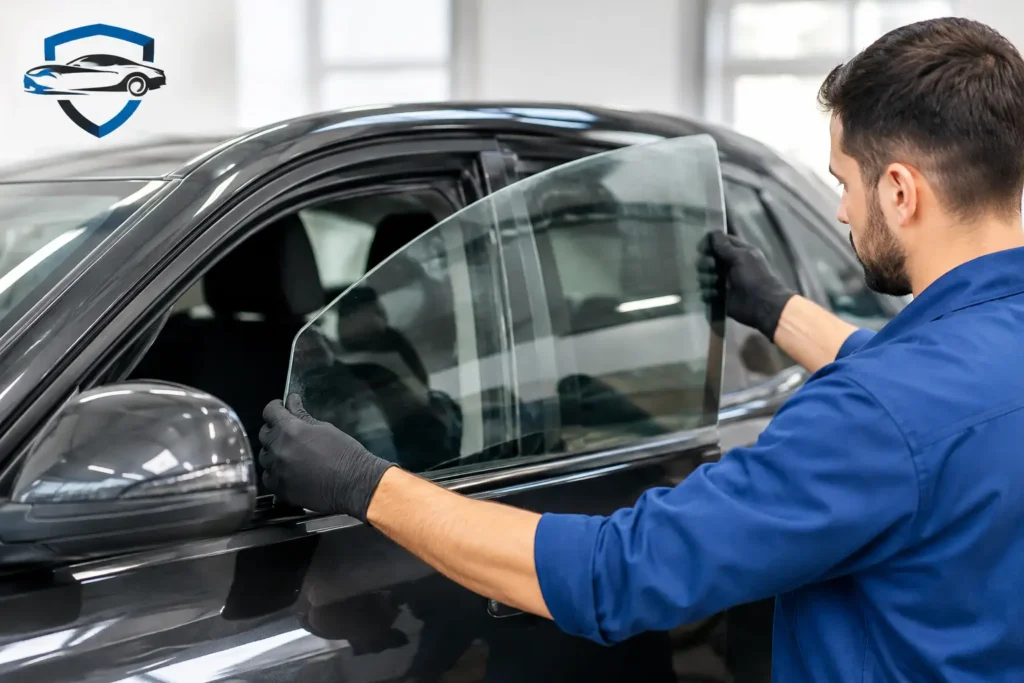
A shattered side window turns an ordinary drive into a security and safety problem fast. Whether the damage came from a break-in, road debris, an accident, or a window that failed inside the door, vehicle side window replacement should not be treated as a cosmetic fix. The right repair restores a protected cabin, clear visibility, and a properly operating window before weather, glass fragments, or theft create a bigger issue.
Side glass is built differently from a windshield, and it requires a different repair approach. A trusted technician will do more than fit a new pane. They will remove loose glass from the door and interior, inspect the window mechanism, install the correct glass, and test its movement before returning the vehicle to service.
Why Broken Side Glass Needs Prompt Attention
Most door windows and many quarter windows use tempered glass. It is designed to break into small, pebble-like pieces rather than long sharp shards. That reduces the risk of serious cuts in a collision, but it also means a damaged side window usually cannot be repaired. Once it has cracked or shattered, replacement is the safe solution.
Driving with an open or broken window exposes the cabin to rain, snow, road dust, and wind. Moisture can reach door switches, speakers, wiring, and interior trim. More immediately, loose glass can work its way out of the door panel or remain hidden in seats, floor mats, storage compartments, and weather seals.
There is also the security concern. Even if the vehicle is parked in a driveway or garage, an open window leaves personal items and the vehicle interior vulnerable. Temporary plastic can help keep out weather for a short period, but it is not a reliable substitute for properly installed automotive glass.
What Vehicle Side Window Replacement Involves
A quality replacement begins with confirming exactly which glass is damaged. Front and rear door glass may look similar but use different shapes, mounting points, tint levels, and regulator attachments. Quarter glass, the smaller fixed pane near the rear of many vehicles, follows a different installation process than a roll-down door window.
The technician first clears broken glass carefully from the visible areas and the inside of the door. This step takes precision and care. Glass often falls into the bottom of the door shell, where it can interfere with the regulator, scratch moving parts, or create rattling later if it is not removed thoroughly.
Next, the door panel and protective barrier are removed as needed to access the window track and regulator. The technician checks for bent guides, damaged clips, worn seals, or a regulator problem that may have contributed to the breakage. Installing new glass without checking these components can lead to poor alignment, binding, or another failure when the window is used.
The replacement glass is then positioned, secured, and tested through its full range of movement. The window should raise and lower smoothly, seat evenly against the weather stripping, and close without unusual noise. For fixed quarter glass, the focus is on proper fit, secure bonding, and a clean weather seal that protects the interior.
Door Glass, Quarter Glass, and Small Details That Matter
Not all side-window damage is the same. Door glass is designed to move inside a track and connect to a regulator. A replacement has to be aligned precisely so it does not tilt, catch, or leave a gap at the top edge. A window that moves but does not seal correctly can create wind noise and allow water into the door.
Quarter glass is commonly fixed in place. Depending on the vehicle, it may be set with an adhesive system or retained by trim and mounting hardware. Because the glass shape often follows the vehicle body closely, correct preparation of the opening is essential for a clean, weather-resistant result.
Factory-style glass matching matters, too. The replacement should match the vehicle’s required size, shape, tint, and fitment specifications. A technician should never force a pane into place or treat a near-match as good enough. Small fitment differences can become obvious in how the window operates and how well it seals.
What to Do Right After a Side Window Breaks
First, avoid touching broken edges or sweeping glass with bare hands. Keep passengers, especially children and pets, away from the affected area. If it is safe to do so, remove valuable items from the vehicle and cover the opening temporarily to limit weather exposure.
Do not repeatedly operate the power window switch. If glass remains in the track or the regulator has been damaged, using the switch can jam the mechanism or pull loose components farther into the door. If the window is partly down, leave it alone until a technician can inspect it.
Take a few photos before cleanup if the damage may be part of an insurance claim or police report. For break-ins, document the condition of the vehicle and any missing property. Then arrange professional assessment as soon as possible. Mobile service can be especially helpful when the vehicle is unsafe to drive, glass is spread through the cabin, or your schedule cannot accommodate a shop visit.
Can Insurance Help Cover Side Window Damage?
Coverage depends on the policy, the cause of damage, and the deductible. Comprehensive coverage may apply to vandalism, theft, falling objects, or certain road-related incidents. Collision coverage may apply when side glass is damaged in an accident. A deductible can still affect whether filing a claim makes financial sense.
Before authorizing work, ask for a clear estimate and confirm the details with your insurer if you plan to file. Keep records of the damage, claim number if one is issued, and any communication about coverage. An experienced auto-glass provider can often help explain the usual claims process and provide the documentation insurers request, but the insurer makes the final coverage decision.
The best choice is not always the same for every driver. If the deductible is close to or higher than the replacement cost, paying directly may be simpler. If a break-in caused extensive glass damage or the vehicle needs multiple repairs, an insurance claim may be more practical.
Choosing a Side Window Replacement Provider
A fast response matters, but speed should not mean shortcuts. Look for certified, insured technicians who can identify the correct glass and inspect the window mechanism rather than simply replacing the visible pane. Ask whether broken glass will be removed from the door and cabin, whether the window operation will be tested, and what workmanship warranty is included.
Convenience matters for drivers who depend on their vehicles for work, family responsibilities, rideshare trips, or deliveries. A properly equipped mobile technician can complete many side-window replacements at a home, workplace, or roadside location, provided conditions are safe and suitable for the installation. For more involved repairs, shop service may be the better option.
Xtreme Auto Glass provides clear recommendations based on the damage, the vehicle, and the condition of the window system. The goal is to get the vehicle secure, clean, and road-ready without unnecessary pressure or confusion.
After the New Glass Is Installed
Before driving away, test the window switch, door lock, and exterior handle if work was performed inside the door. Check that the glass sits evenly at the top of the frame and that no warning lights or unusual sounds appear when operating the window. If you notice wind noise, resistance, rattling, or moisture around the door after the repair, contact the installer promptly.
A new side window should feel like part of the vehicle again, not like a temporary patch. Prompt, precise replacement protects the cabin, restores peace of mind, and helps you get back to your regular route with a clear view and a secure vehicle.