
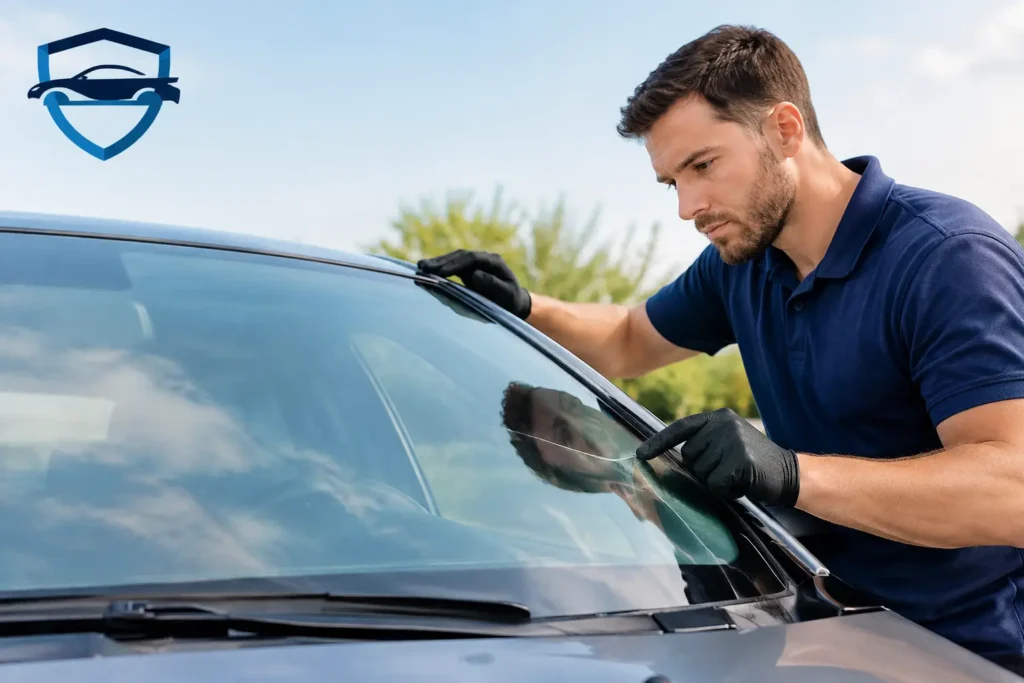
A stone hits your windshield on the DVP, and a small chip becomes a spreading crack before the next cold morning. Auto glass insurance coverage can take much of the financial pressure out of that moment, but the answer is rarely as simple as “insurance pays” or “insurance does not pay.” Your policy, deductible, type of damage, and repair method all matter.
For drivers who depend on their vehicles every day, the priority is clear visibility and a safe, road-ready repair. Understanding how an auto glass claim generally works helps you make a confident decision before damage gets worse.
What Auto Glass Insurance Coverage Usually Includes
Auto glass damage is typically handled under comprehensive coverage, sometimes called other-than-collision coverage. This portion of a policy may help pay for damage caused by flying road debris, vandalism, theft, falling objects, weather, or a broken side or rear window.
A windshield chip from gravel, a cracked windshield after a temperature swing, or shattered door glass after a break-in may qualify. Collision coverage can apply if the glass was damaged in a crash, although the claim is then processed under the collision portion of the policy and its deductible.
The key word is “may.” Coverage is based on the policy you chose, the deductible listed on that policy, and the details of the incident. Liability-only insurance generally does not pay to repair your own vehicle’s glass. If another driver is responsible for the damage, their insurer may be involved, but that process can take longer than a straightforward comprehensive claim.
In Ontario, many insurers offer glass-related coverage as part of comprehensive or specified-perils protection. Speak directly with your insurer or broker if you are unsure what you carry. A quick review before authorizing work can prevent unwelcome surprises.
Repair Versus Replacement Changes the Claim
Insurers often prefer repair when a windshield chip is small, stable, and outside the driver’s primary viewing area. Repair is usually less expensive than replacement, preserves the factory-installed windshield, and can often be completed quickly. Some policies waive the deductible for a repair, even when a deductible would apply to a full replacement.
That does not mean every crack should be repaired. A crack that is spreading, damage near the edge of the windshield, deep impact damage, or glass that affects visibility may require replacement. Side windows and rear glass are commonly made from tempered glass. Once tempered glass breaks, it shatters into small pieces and must be replaced rather than repaired.
A trusted technician should assess the damage before making promises about coverage or repairability. The right recommendation protects your safety first, then helps you avoid paying for work that will not last.
Why acting quickly can save money
A chip is not always an emergency, but it should not be ignored. Road vibration, moisture, dirt, freezing temperatures, and heat can turn a repairable chip into a long crack. Once that happens, a lower-cost repair may no longer be an option.
Until the glass is inspected, avoid slamming doors, blasting the defroster directly onto a cold windshield, or pressing tape tightly over damaged areas. If a side or rear window is broken, protect the interior from rain and remove loose glass carefully only if it is safe to do so. A mobile glass technician can help secure the vehicle and restore the opening where you are.
Understanding Your Deductible Before You File
Your deductible is the amount you pay toward a covered claim before insurance contributes. If a windshield replacement costs $900 and your comprehensive deductible is $500, you may pay the first $500 and the insurer may pay the remaining eligible amount. If the repair costs less than your deductible, paying directly may make more sense.
Do not assume a claim is automatically the best financial move. Ask for an honest estimate, confirm your deductible, and compare the two. For a small chip repair, paying out of pocket can be simple and economical if your policy does not waive the deductible. For shattered glass or a replacement that involves specialized parts, insurance may provide far more value.
Also ask whether your insurer has rules about replacement glass. Some policies pay for aftermarket glass that meets applicable safety standards, while others may offer original equipment glass in certain situations or as an optional endorsement. Availability can depend on the vehicle, policy language, and insurer approval.
The glass itself is only one part of a quality replacement. Modern windshields may support cameras, sensors, rain detection, heads-up display features, acoustic layers, heating elements, or other vehicle systems. Correct glass selection and precise installation matter. Choosing the cheapest quote without asking what is included can create problems that cost more later.
How to Start an Auto Glass Insurance Claim
The claims process should be clear, not stressful. Before calling, take a few photos of the damage from a safe distance and note when and where it happened if you know. Have your policy number, vehicle information, and deductible amount available.
Then contact your insurance provider or a qualified auto glass company that regularly works with insurers. Many glass shops can help verify coverage, provide an estimate, document the damage, and guide you through the claim information the insurer requires. You remain in control of the repair decision and should receive transparent pricing before work begins.
When speaking with an insurer, ask whether a claim number is required before repairs begin, whether you can choose your repair facility, what deductible applies, and whether there are limits on glass type or additional services. Get the answers in writing or record the claim reference number for your records.
For emergency damage, such as a broken door window after a theft, tell the insurer the vehicle may be exposed to weather or unable to be secured. Prompt service is not just convenient. It helps protect the interior and reduces the risk of further damage.
Will a Glass Claim Raise Your Premium?
There is no universal answer. Glass claims are generally treated differently from at-fault collision claims, but insurers consider many factors when setting premiums. Your claims history, policy terms, location, vehicle, and the insurer’s underwriting practices can all affect the outcome.
A customer service representative can explain how your insurer generally handles comprehensive claims, but they may not be able to predict every future rate decision. If the repair cost is only slightly above your deductible, it is reasonable to weigh the benefit of filing against paying directly. If the damage creates a visibility or security concern, delaying necessary work to avoid a claim is rarely the safer choice.
Questions to Ask Before Approving Glass Work
Before you schedule, confirm whether the damage can be safely repaired or needs replacement. Ask what glass will be installed, whether the quote includes moldings, cleanup, disposal, and any required vehicle-system checks, and what workmanship warranty applies.
You should also ask how long the vehicle needs before it is safe to drive. Adhesive cure time varies by vehicle, weather, and materials. A professional installer will give you clear post-installation instructions rather than rushing you back on the road.
Xtreme Auto Glass helps GTA drivers understand their repair options with free assessments, certified workmanship, and mobile service at home, work, or roadside locations. The goal is not to pressure you into a claim or replacement. It is to restore clear vision and safe vehicle glass with precision and care.
A damaged windshield or broken window is already disruptive. Check your coverage, get the glass assessed promptly, and choose a repair partner that explains the options plainly. The right next step is the one that keeps you protected, informed, and ready for the road.