
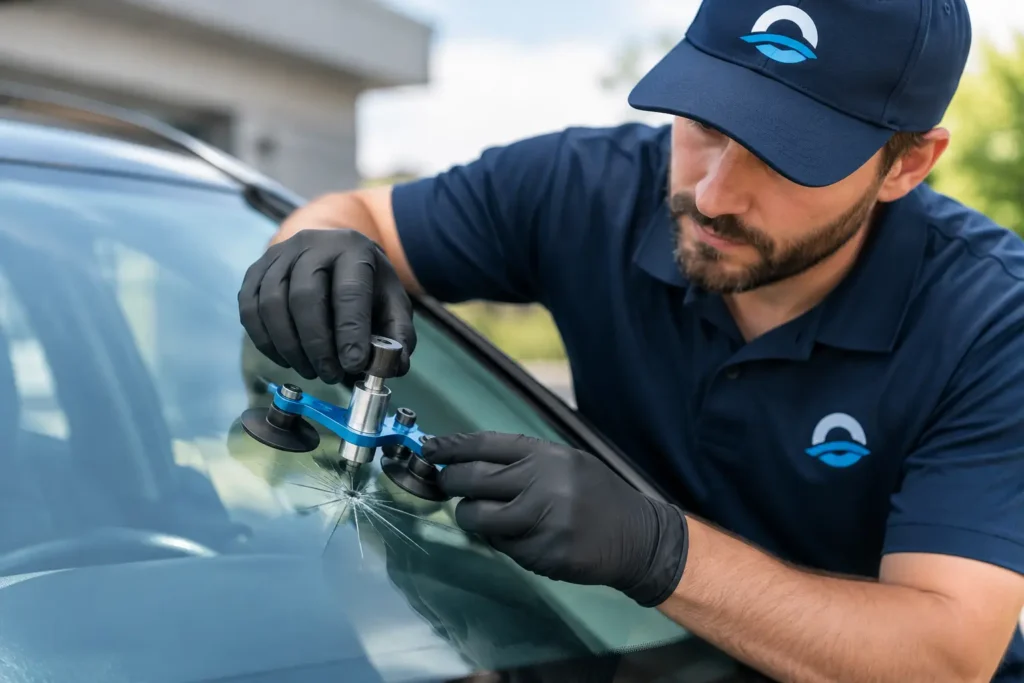
A small crack can look harmless when you first spot it in the driveway. Then a cold morning, a pothole, or a blast of defroster air turns it into a long line across your view. So, can a cracked windshield be repaired? Sometimes – but the size, location, depth, and direction of the damage all matter.
A windshield is more than a sheet of glass between you and the road. It supports the roof structure, helps keep occupants inside the vehicle in a collision, and provides the clear view you need to react quickly. The right choice is not always the cheapest short-term option. It is the repair or replacement that restores safe visibility and dependable structural support.
Can a Cracked Windshield Be Repaired?
A crack may be repairable when it is short, recent, clean, and located away from the driver’s primary viewing area and windshield edges. Many modern resin-repair methods can stabilize small cracks and chips by filling damaged layers of laminated glass. A successful repair stops the damage from spreading and often makes the mark far less noticeable.
That said, a repair does not make every crack disappear completely. You may still see a faint line or small blemish, especially from certain angles. The goal is to restore strength and prevent growth, not to make the windshield look brand-new.
As a practical rule, cracks of roughly three inches or less are often good candidates for assessment. Some cracks longer than that can occasionally be stabilized, depending on their shape and location, but replacement becomes more likely as damage grows. A certified technician should inspect the glass before making a recommendation.
The crack’s location can decide the answer
Damage near the outside edge of the windshield is more serious than it may appear. The perimeter carries significant stress, so an edge crack can weaken the glass and spread quickly with road vibration or temperature changes. Replacement is commonly the safer recommendation in this situation.
A crack directly in the driver’s line of sight may also require replacement, even if it is small. Resin can improve appearance, but it can leave a slight distortion. When clear vision is compromised, a replacement windshield is the more protective choice.
Cracks near cameras, sensors, heating elements, or antenna areas deserve careful inspection as well. These areas require precise work to preserve the vehicle’s intended safety and convenience features.
What Makes a Windshield Crack Spread?
Windshield glass is laminated: two layers of glass surround a clear plastic interlayer. This construction helps hold the windshield together after impact, but it does not stop a crack from expanding. Once the outer glass has been damaged, stress can travel through the weakened area.
Toronto and GTA drivers see plenty of conditions that can speed that process. A winter freeze, summer heat, sudden cabin temperature changes, construction debris, rough pavement, and even closing a vehicle door hard can all cause a small crack to move. Water, salt, dirt, and washer fluid can also work their way into the break, making a clean repair more difficult.
This is why waiting is rarely a good strategy. A repairable crack today can become a replacement job after one overnight temperature drop.
When Replacement Is the Better Choice
Windshield replacement is usually recommended when a crack is long, reaches an edge, branches in several directions, penetrates both layers of glass, or interferes with the driver’s view. It is also the better option if a previous repair has failed or the damaged area is contaminated beyond what resin can properly bond.
Replacement can sound like the bigger inconvenience, but it is often the more reliable answer. A proper installation uses quality glass, compatible adhesives, correct curing procedures, and careful fitting. The work should be completed with precision and care because the windshield is part of the vehicle’s safety system.
For newer vehicles, correct glass selection and accurate reinstallation matter just as much as the visible result. A windshield that appears properly installed but is not fitted to manufacturer standards can create problems later. This is not a repair where cutting corners is worth the risk.
Repair versus replacement: the real trade-off
Repair is generally faster, more affordable, and preserves the original factory-installed windshield. It is an excellent option when the damage qualifies. It also keeps unnecessary glass out of the waste stream.
Replacement gives you a clear, structurally sound windshield when damage is too extensive to stabilize safely. It costs more and requires proper adhesive cure time, but it removes the risk of an unstable crack continuing to spread. The right decision depends on what the glass can safely support, not simply how visible the crack is.
What to Do Before Your Appointment
If you notice a crack, keep the area as clean and dry as possible. Avoid washing the vehicle, applying tape directly to dirty glass, or using store-bought repair kits before a professional assessment. DIY kits may help with a very small, fresh chip, but they are not a dependable solution for long cracks, edge damage, or damage in your direct view.
Do not blast hot defrost air onto an ice-cold windshield. Gradually warming the cabin reduces sudden thermal stress. If possible, park out of direct sun and avoid slamming doors until the glass has been assessed.
A clear photo of the damage can help a technician provide an initial recommendation, but an in-person inspection remains the best way to determine whether repair is safe. The technician will look at the crack’s length, shape, depth, position, contamination, and any signs that it has already spread through multiple layers.
Does Insurance Cover a Cracked Windshield?
Many auto insurance policies may cover windshield repair or replacement under comprehensive coverage, subject to your deductible and policy terms. Coverage varies, so it is wise to check before authorizing the work. In some cases, repairing a small crack costs less than your deductible, which can make paying directly the simpler choice.
If replacement is necessary, choosing an auto glass provider that understands the insurance process can remove much of the frustration. Xtreme Auto Glass can help drivers understand the damage assessment and work with many insurance providers, while keeping the recommendation focused on safety rather than pressure.
Ask for a clear explanation of whether repair is possible, why replacement may be recommended, what glass will be used, and what workmanship coverage applies. Straight answers matter when you are making a decision about a safety-critical part of your vehicle.
Mobile Service Can Keep a Small Problem From Becoming a Bigger One
When a windshield crack is spreading, driving across town can feel like an unnecessary risk. Mobile auto glass service can bring qualified technicians to your home, workplace, or another safe location, depending on the type of work needed and weather conditions.
For commuters, families, rideshare drivers, and delivery drivers, that convenience can mean less downtime without compromising workmanship. A proper mobile repair still requires the same careful inspection, clean preparation, and professional materials as a shop appointment.
The key is not just speed. It is getting an honest answer quickly enough to protect your visibility before the crack changes the decision for you. If the damage is small, clean, and away from critical areas, repair may be the smart move. If it is spreading, near an edge, or affecting your view, arrange an assessment promptly and let the condition of the glass guide the next step.
One Response