
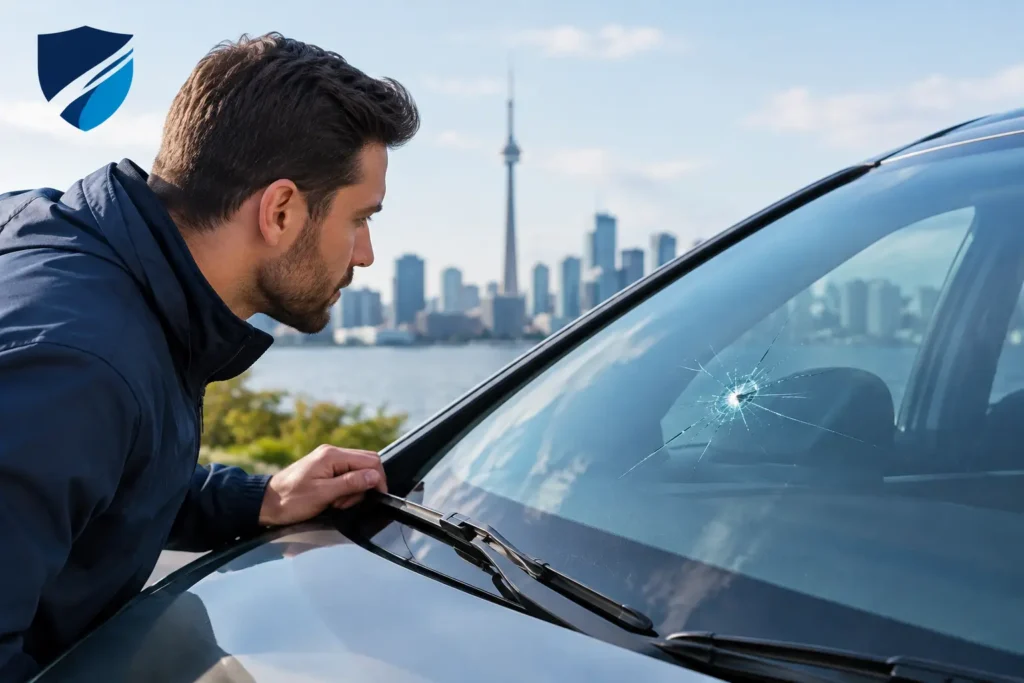
A cracked windshield can turn a normal commute into an urgent decision: pay out of pocket, file an insurance claim, or wait and hope the damage does not spread. Your Ontario windshield deductible is often the deciding factor, but it is not always as simple as the number shown on your policy. The type of coverage you carry, the cause of the damage, the repair required, and your insurer’s claim rules all matter.
For drivers in North York and across the GTA, understanding these details before booking service can prevent surprises and help you choose the most practical path back to clear, safe visibility.
What Is an Ontario Windshield Deductible?
A deductible is the portion of a covered claim that you agree to pay yourself before your insurance coverage applies. If your policy has a $500 comprehensive deductible and a covered windshield replacement costs $900, you would generally pay the first $500 and the insurer may pay the remaining eligible amount.
Windshield damage is commonly handled under comprehensive coverage, sometimes called other-than-collision coverage. This may apply when a stone hits your windshield on Highway 401, vandalism damages the glass, or a falling branch causes a crack. The exact wording varies by insurer and policy, so the declaration page and policy documents are the best place to confirm your coverage.
If glass damage happens during a collision, it may instead fall under collision coverage. That distinction can matter because your collision deductible may be different from your comprehensive deductible. A representative from your insurer can explain how the loss is classified, but a professional auto glass shop can help you understand what information to have ready before you call.
When Insurance May Cover Windshield Damage
Coverage depends on the cause of the damage and the options selected on your auto policy. A small chip from road debris is a common comprehensive claim scenario, while a shattered windshield following an at-fault or not-at-fault accident may be assessed under a different part of the policy.
It also matters whether you need a repair or a full replacement. Many insurers prefer a repair when the damage is small, stable, and outside the driver’s critical viewing area. Repairing a suitable chip can stop it from spreading and usually costs less than replacing the entire windshield. Still, not every chip can be safely repaired.
A replacement may be necessary when there is a long crack, damage near the edge of the windshield, multiple impact points, or damage that affects the driver’s visibility. Windshields are structural safety components, not just pieces of glass. The right recommendation should be based on the damage pattern, the vehicle, and safe installation requirements – not simply the lowest immediate price.
Why the Deductible Can Change Your Best Option
The key question is not only, “Is this covered?” It is, “Does filing a claim make financial sense for this repair?” If a replacement estimate is close to your deductible, paying directly may be simpler than opening a claim. If the repair is much more expensive than your deductible, using eligible coverage may reduce your out-of-pocket cost substantially.
For example, a driver with a $1,000 deductible may find that a modest windshield replacement does not produce much insurance benefit. Another driver with a $250 comprehensive deductible could see a more meaningful difference on the same job. There is no universal right choice because vehicle glass, sensor-equipped windshields, insurance terms, and deductibles differ.
A glass-only claim may be treated differently from a collision claim, but no shop should promise that a claim will not affect your premium or future insurance options. Those decisions are made by the insurer based on its underwriting rules, your policy, claims history, and other factors. Ask your insurer directly if that concern is part of your decision.
Repair may avoid the deductible – but confirm first
Some insurers offer deductible-free windshield chip repair under certain policies. Others apply the comprehensive deductible even for a repair. Do not assume a repair is automatically free just because the damage is small.
Before authorizing work, confirm whether your policy covers glass repair, whether a deductible applies, and whether the insurer has any requirements for documentation or claim approval. Acting quickly is still wise: a chip can spread after a temperature change, pothole impact, car wash, or hard door closure.
How to Check Your Windshield Coverage Before Booking
Start with your insurance policy declaration page. Look for comprehensive, specified perils, collision, and the deductible listed beside each coverage. If the policy language is unclear, call your insurer or broker and ask specifically about the windshield damage you have.
Describe what happened accurately. Say whether the damage came from a stone, falling object, break-in, collision, or another incident. Have your policy number, vehicle information, date of loss, and a few photos available. Ask whether a claim is required before service, whether you can choose your auto glass provider, and what amount you will be responsible for paying.
It is also sensible to get a professional assessment before assuming replacement is required. A technician can inspect the chip or crack, explain whether a repair is appropriate, and provide an estimate that gives you a clearer comparison against your deductible.
Ontario Windshield Deductible Assistance: What It Means
Deductible assistance can help reduce the amount an eligible customer pays toward a covered windshield replacement. It is not the same as changing your insurance policy or guaranteeing that every deductible will be waived. Eligibility, the type of claim, the vehicle, the insurer’s requirements, and applicable terms all affect what assistance may be available.
At Xtreme Auto Glass, customers can receive Insurance Claims Assistance and, for eligible customers, up to 100% Deductible Assistance subject to applicable terms. The goal is to make the process easier to understand before work begins, not to pressure drivers into a claim that does not fit their situation.
Transparency matters here. A reputable provider should explain the estimated cost, your confirmed deductible, available assistance, and any amount you may still owe. If an insurer does not approve coverage, or if the damage is below your deductible, you should know that before the job is completed.
Choosing Repair, Replacement, or Paying Directly
A good decision starts with the condition of the glass. If a chip is repairable, prompt repair is often the most economical option and can preserve the original windshield. If the damage requires replacement, quality installation becomes the priority. Correct glass selection, careful preparation, proper bonding materials, and workmanship standards all affect long-term performance.
Next, compare the all-in estimate with your deductible. Include the glass, installation, moldings or related parts if needed, taxes, and any insurance-approved amount. Then consider timing. A busy commuter, rideshare driver, or parent may value a Convenient Mobile Service at home or work, while another driver may prefer an in-shop appointment for a straightforward replacement.
Mobile windshield replacement can be especially useful in North York, Downsview, Vaughan, Thornhill, York, and nearby GTA communities when the vehicle is safe to service where it is parked. Weather, workspace, and the extent of the damage can affect whether mobile service is suitable. An honest provider will recommend the setting that supports a proper installation rather than treating mobile service as the answer to every job.
Questions Worth Asking Your Insurer and Glass Shop
Before you proceed, ask your insurer whether the loss is covered, which deductible applies, and whether there are claim steps you must follow. Ask the glass shop whether the damage can be repaired, what glass and installation approach will be used, how long the work will take, and whether workmanship warranty coverage is available.
You should also ask for clarity on deductible assistance. A clear answer should explain eligibility and any conditions in plain language. If the explanation feels rushed or vague, pause before authorizing the work.
A windshield problem is inconvenient, but the insurance decision does not need to be confusing. Get the damage assessed early, confirm the numbers that apply to your policy, and choose the repair or replacement option that protects your visibility, your vehicle, and your budget.