
A small chip can look harmless in the morning and become a long crack by the evening commute. Temperature swings, potholes, road vibration, and moisture can all turn minor auto glass damage into a safety issue quickly. The right next step is not always a full replacement, but waiting to find out can cost more, reduce visibility, and leave your vehicle less protected.
For drivers who depend on their vehicle every day, the goal is simple: restore clear vision and dependable protection without unnecessary downtime. That starts with an honest assessment of the damage, the glass involved, and the way your vehicle is equipped.
When Auto Glass Repair Is the Right Call
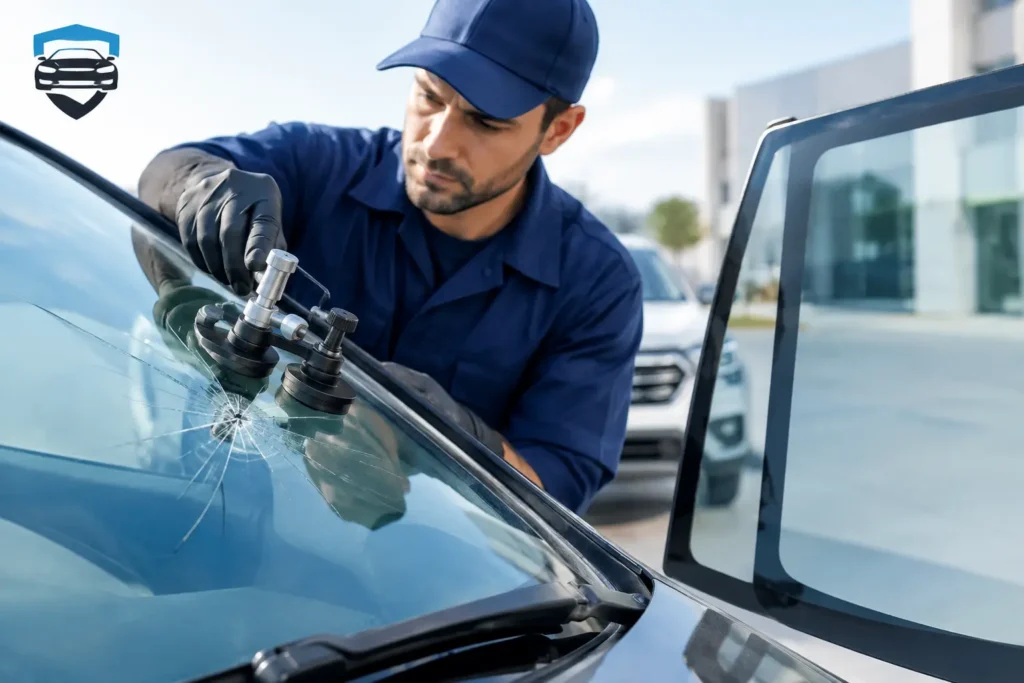
Windshield repair is often possible when damage is small, recent, and located away from the driver’s direct line of sight. A technician may be able to inject a specialized resin into a chip or short crack, then cure and polish it to help stop the damage from spreading.
Repair is usually the better option when it preserves the original windshield and restores strength without removing the factory-installed glass. It is also typically faster and more affordable than replacement. For a busy commuter, parent, delivery driver, or rideshare operator, that can mean getting back on the road with minimal interruption.
Still, size alone does not decide whether repair is safe. The pattern and location matter just as much. A star break with several legs, a deep impact point, or damage near the windshield edge may compromise the glass beyond what resin can reliably address. A chip that appears small from the outside can also have deeper damage between layers of laminated glass.
Timing matters too. Fresh damage is cleaner and easier to treat. Once dirt, water, washer fluid, or road salt gets into a chip, a repair may be less effective or leave a more noticeable mark. Covering the area with clear tape until it can be inspected can help keep contamination out. Avoid using heat directly on the glass or washing the car with high-pressure water before the assessment.
Signs Your Auto Glass Needs Replacement
Replacement is the safer recommendation when the damage affects the windshield’s structural role, obstructs visibility, or cannot be repaired to a dependable standard. The windshield does more than block wind and rain. It contributes to the vehicle’s roof strength and supports proper airbag deployment in many vehicles.
A replacement is commonly needed when a crack has spread significantly, damage reaches the outer edge of the windshield, or there are multiple chips in close proximity. Deep cracks, shattered areas, and damage in the driver’s primary viewing area also deserve careful attention. Even if a crack seems manageable, glare and distortion can make nighttime or wet-weather driving more difficult.
Side windows, rear windows, and quarter glass are a different situation. These pieces are commonly made from tempered glass, designed to break into many small pieces rather than sharp shards. Once tempered glass breaks, it cannot be repaired. The vehicle will need replacement glass, careful cleanup, and a proper installation to restore weather protection and security.
Do not ignore broken door glass just because the vehicle can still move. Rain, debris, and theft risk become immediate concerns, while loose glass inside the door or cabin can create hazards later. A qualified technician should remove fragments from the visible area and the inner door cavity, then inspect seals and hardware before installing new glass.
Why Installation Quality Matters
Not all replacement work delivers the same result. The glass itself is only one part of the job. Correct preparation, adhesive selection, placement, curing time, and final inspection determine whether a windshield is securely bonded and ready for the road.
A professional installation begins with protecting the vehicle’s paint, interior, dashboard, and hood. The old windshield must be removed without damaging the surrounding frame. The mounting surface is then cleaned and prepared so the new adhesive can bond correctly. Skipping these steps can lead to leaks, wind noise, rust around the frame, or poor retention in a collision.
The replacement glass should fit properly, match the vehicle’s required specifications, and be installed using materials suited to the vehicle and conditions. The technician should also explain the safe drive-away time. Adhesives need time to cure, and driving too early can affect the bond.
Modern vehicles may have cameras or other components located around the windshield area. If these parts are disturbed during replacement, they need to be handled with precision so vehicle features continue functioning as intended. This is not an area for guesswork or a rushed installation.
Mobile Service Is Convenient, but the Setting Still Counts
Mobile auto glass service can save a day of arranging rides, missing work, or driving with impaired visibility. A trained technician can often complete eligible repairs and replacements at your home, workplace, or another safe location.
That convenience works best when the workspace is suitable. The vehicle should be parked on level ground with enough room for doors and tools. A covered garage or sheltered area is ideal during rain, snow, or extreme weather. Wind, moisture, and surface contamination can affect installation conditions, so a reputable technician will be straightforward if the job should be moved indoors or rescheduled for safety and quality.
For emergency breakage, mobile service also helps protect the vehicle sooner. Temporary coverings may keep out rain, but they are not a substitute for properly installed glass. If a window has been smashed, avoid handling loose pieces without gloves and keep children and pets away from the area.
What to Know Before Calling Your Insurance Provider
Many Ontario drivers have comprehensive coverage that may help with windshield repair or replacement. Coverage, deductibles, claim history, and policy terms vary, so it is worth checking the details before authorizing work. A trusted shop can provide an assessment and clear documentation to help you understand the repair or replacement recommendation.
Start by confirming whether your policy includes glass coverage and what deductible applies. In some cases, a repair may be covered with little or no out-of-pocket cost, while a replacement may involve a deductible. Ask whether the insurer has specific claim procedures, whether you can choose your repair provider, and what information they need from you.
Do not let insurance questions delay a necessary safety repair. The best approach is to get the damage assessed promptly, understand your options, and make a decision based on safe workmanship rather than pressure. A transparent auto glass provider should explain what the vehicle needs, what the work involves, and what costs may remain after coverage.
Simple Steps After Glass Damage
First, inspect the damage without pressing on it or trying a do-it-yourself fix. Take a few clear photos for your records and, if needed, your insurance claim. Next, protect the damaged area from moisture and avoid slamming doors, since pressure changes can make a crack spread.
Then arrange a professional assessment as soon as practical. Be ready to share your vehicle’s year, make, model, glass location, and whether the damage is a chip, crack, or complete break. If you have a windshield crack that is growing, broken side glass, or compromised visibility, mention that when booking so the right glass and equipment can be prepared.
Xtreme Auto Glass provides certified, insured service with honest recommendations for drivers across Scarborough and the Greater Toronto Area. Whether the answer is a careful repair or a full replacement, the focus should be on workmanship that restores clear sightlines, secure glass, and confidence behind the wheel.
Your vehicle does not need a dramatic break to deserve attention. Treat a chip or crack early, ask direct questions about the recommended work, and choose a technician who puts precision and care ahead of shortcuts. That is how you protect the next drive before a small problem becomes the reason it stops.