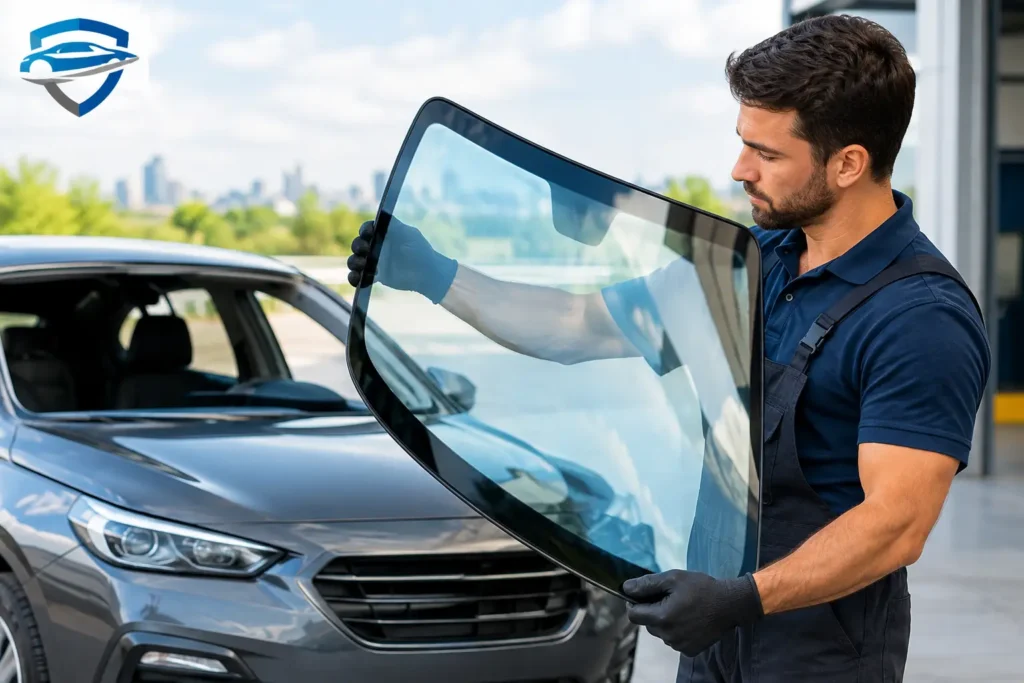
A windshield is not a simple sheet of glass. It supports the roof structure, helps airbags perform as designed, protects your view in rain and glare, and must fit the vehicle precisely. Knowing how to choose windshield glass means looking beyond the lowest quote and choosing the right part, the right features, and qualified installation.
For drivers dealing with a crack after a highway commute, a stone chip, or a broken windshield at work, the decision can feel urgent. A good replacement should restore clarity without creating new problems such as wind noise, water leaks, poor visibility, or a poor fit around the edges.
How to Choose Windshield Glass for Your Vehicle
Start with the exact vehicle details: year, make, model, trim, body style, and VIN when available. Two vehicles that look nearly identical can use different windshields because of options such as heated glass, acoustic layers, heads-up display areas, rain sensors, cameras, antennas, or special tint bands.
The right windshield is matched to the vehicle’s original configuration, not just its overall shape. A professional auto glass technician should confirm those details before ordering glass. If a quote is based only on a broad model description, ask whether the shop has verified the part number and installed features.
Fit matters because the windshield is bonded to the vehicle frame with automotive-grade urethane. A part that is technically close but not exact can create alignment issues, gaps, excess road noise, or water intrusion. Choosing correctly at the beginning is usually less expensive and less frustrating than correcting a poor installation later.
OEM, Dealer Glass, and Aftermarket Glass
One of the first decisions is whether to choose OEM glass, dealer-branded glass, or quality aftermarket glass. These terms are often used loosely, so it helps to ask clear questions rather than assuming one option is automatically best.
OEM glass is produced to the original vehicle manufacturer’s specifications. Depending on the vehicle and supply chain, it may carry the vehicle brand’s logo or come from the same manufacturer that supplied the factory glass. It is often preferred for newer, luxury, or feature-heavy vehicles, especially when an owner wants the closest possible match to the original windshield.
Dealer glass usually refers to a windshield sourced through a dealership parts department. It may be OEM glass and can be a sensible choice when a specific feature, logo, or exact factory match matters. The trade-off is that availability and price can be higher than other options.
Quality aftermarket glass is made by reputable glass manufacturers to meet applicable safety standards and fit a specific vehicle. For many everyday vehicles, it can offer dependable clarity, fit, and value. It is not inherently inferior simply because it is aftermarket. The key is the manufacturer, the correct part match, and the workmanship behind the installation.
Ask the shop which option they recommend for your vehicle and why. An honest recommendation should account for your vehicle features, budget, insurance coverage, availability, and how you use your car. For example, a commuter with a straightforward windshield may be well served by a high-quality aftermarket option, while a driver with specialized glass features may benefit from OEM-spec glass.
Do Not Choose on Price Alone
A low quote can be attractive, especially after unexpected damage. But the quote should include more than the pane of glass. Confirm whether it covers moldings, clips, adhesive, labor, disposal, taxes, and any vehicle-specific procedures required after installation.
Cheaper glass may also differ in optical clarity, tint match, acoustic performance, or edge finish. Small distortions can be distracting, particularly at night or in wet conditions. Look through the replacement glass before leaving the shop, checking for waviness, visible defects, and a consistent view across the driving area.
Match the Windshield Features You Already Have
Modern windshields can include more technology than most drivers realize. The replacement must have the same compatible features as the original glass. A missing bracket, sensor mount, heating element, or shaded area can affect the vehicle’s comfort and functionality.
Before approving a replacement, check whether your current windshield has a tinted sun strip, acoustic glass, heated wiper park area, humidity or rain sensor mount, antenna connections, heads-up display compatibility, or embedded camera-related components. You do not need to know every technical name. A clear photo of the windshield, along with your VIN, gives a reputable technician a strong starting point.
If your vehicle has equipment mounted near the rearview mirror, do not assume every windshield for that model will work. The glass may require a particular bracket or optical design. This is one reason mobile service should begin with careful part verification, not a rushed guess based on appearance.
Check Glass Markings and Safety Standards
Automotive glass has markings, often in a lower corner, that identify the manufacturer and show compliance with required safety standards. In the United States, windshield glass should meet Federal Motor Vehicle Safety Standard requirements. The windshield itself is laminated glass, meaning two layers of glass are bonded around a plastic interlayer. That construction helps keep the windshield together on impact.
Side and rear windows are often tempered glass, which is designed to break into small pieces when shattered. That is useful safety information, but it also explains why a broken side window generally requires replacement rather than repair.
A professional installer can explain the glass marking on the part being used and whether it matches the expected specification. You do not need to memorize codes, but you should feel comfortable asking what brand of glass is being installed and whether it is OEM or aftermarket.
Installation Quality Is Part of the Choice
Even excellent glass can underperform if it is installed poorly. Proper windshield replacement involves removing the damaged glass without harming the vehicle’s frame, preparing the bonding surface, using the correct urethane, setting the glass accurately, and allowing the adhesive to cure according to product instructions.
Ask who will perform the work, whether the technicians are trained and insured, and what workmanship warranty is provided. A reliable shop should also explain safe drive-away time. This is the period needed for the adhesive to cure enough for the vehicle to be driven safely. It can vary with the adhesive used, temperature, humidity, and vehicle design.
After replacement, inspect the windshield perimeter and exterior moldings. The trim should sit evenly, the glass should be centered, and the cabin should be clean. Over the next few days, watch for water leaks after rain or a car wash, unusual wind noise, or loose molding. Contact the installer promptly if anything seems off.
Consider Mobile Service Without Sacrificing Care
Mobile windshield replacement can be a practical option for busy professionals, families, rideshare drivers, and anyone with unsafe damage. The convenience is real: the work may be completed at home, at an office, or at another suitable location without rearranging the day.
That said, conditions matter. The installer needs a safe, clean work area and weather suitable for proper bonding. Heavy rain, extreme temperatures, or a cramped parking situation may make shop service the better choice. A trustworthy company will tell you when mobile service is appropriate rather than forcing an inconvenient installation.
For drivers in North York, Downsview, Vaughan, Thornhill, and nearby GTA communities, Xtreme Auto Glass offers Convenient Mobile Service as well as in-shop appointments at its North York location. The goal should be the same in either setting: careful part matching, professional installation, and clear instructions before you drive away.
Use Insurance Information to Make a Better Decision
Windshield damage may be covered under the comprehensive portion of an auto insurance policy, but coverage, deductibles, and claim effects vary. Before authorizing work, review your policy or ask the shop to help explain the claims process. Insurance Claims Assistance can reduce the paperwork and help you understand what information your provider may need.
Do not let uncertainty about a deductible delay a safety-related decision. Some customers may qualify for Up to 100% Deductible Assistance for Eligible Customers, subject to applicable terms. Ask for the details in writing and confirm your out-of-pocket responsibility before work begins.
If the damage is a small chip outside the driver’s main viewing area, repair may be possible and is usually less costly than replacement. A long crack, damage at the edge, deep impact damage, or compromised visibility often points toward replacement. A free assessment should be based on the condition of the glass, not just the fastest sale.
Questions Worth Asking Before You Approve the Work
A good conversation with an auto glass shop should leave you with clear answers. Ask whether the quoted windshield is OEM, dealer-sourced, or aftermarket; whether all original features are included; what the full installed price covers; how long you must wait before driving; and what workmanship warranty applies.
Also ask whether the shop can help with your insurer and whether mobile service is suitable for your location. Straight answers are a useful sign that the company values your safety and time.
The best windshield choice is the one that matches your vehicle correctly, protects your visibility, fits your budget, and is installed with care. If you are unsure which option your vehicle needs, a knowledgeable technician can review the glass features with you before a small crack becomes a bigger interruption.