
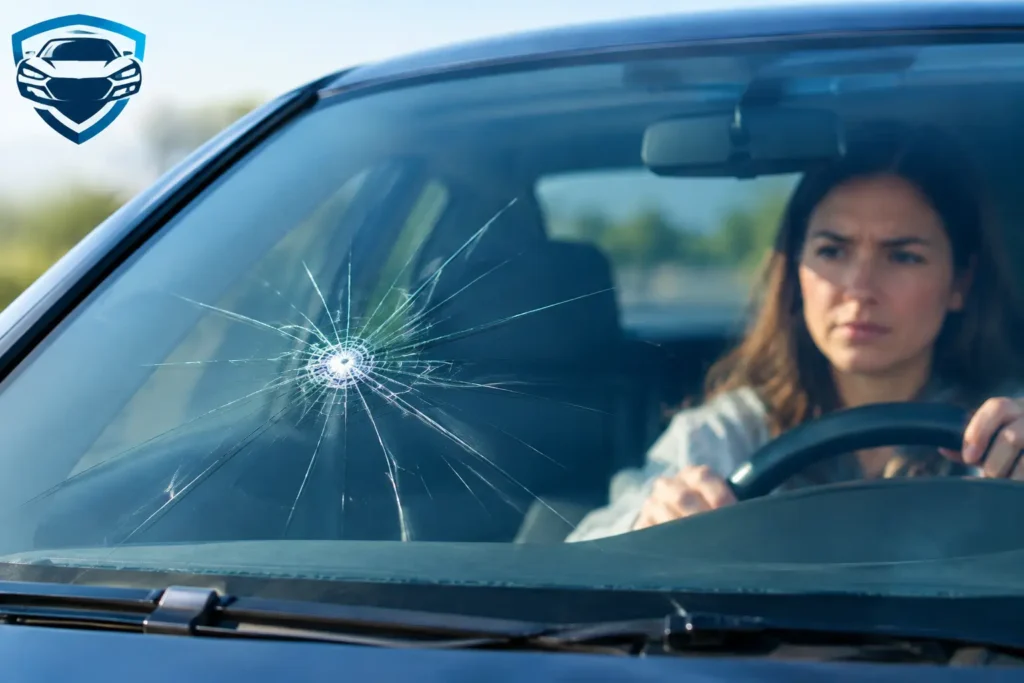
A crack can seem manageable when it is only a thin line at the edge of the glass. Then a cold North York morning, a pothole, or a blast of defroster heat turns it into a long split across your field of view. Windshield crack safety driving is not just about whether you can physically keep the vehicle moving. It is about whether you can see hazards clearly, whether the glass can continue doing its job, and whether a small repairable issue is about to become a full replacement.
A damaged windshield deserves a quick, practical assessment. Some small chips and short cracks can be repaired safely when treated early. Others make driving a poor choice, especially if they interfere with visibility or keep spreading. Knowing the difference can protect you, your passengers, and everyone sharing the road.
Why a Cracked Windshield Is a Safety Concern
Your windshield is more than a barrier against wind, rain, and road debris. It is a bonded piece of safety glass that contributes to the vehicle’s cabin structure. In a collision or rollover, properly installed windshield glass can help support the roofline. It also helps provide a stable surface for the passenger-side airbag system in many vehicles.
A crack does not mean the windshield will suddenly fail during normal driving. Still, damage can weaken the glass and make it less predictable under stress. Every bump, body flex, temperature change, and door slam can place additional force on the damaged area.
Visibility is often the more immediate concern. Even a narrow crack can catch sunlight, headlights, or wet-road glare and create a bright distraction right where you need a clear view. At night, the effect can be surprisingly severe. If your eyes keep being drawn to the damage, or you find yourself moving your head to see around it, the windshield is affecting safe driving.
Windshield Crack Safety Driving: When to Stop
There is no responsible one-size-fits-all answer to whether a cracked windshield is safe to drive. The size, position, depth, and direction of the crack all matter. A short crack near the outer edge may be less disruptive than a long crack running through the driver’s primary viewing area, but edge damage can also spread quickly because the glass is under greater stress there.
You should avoid driving except to obtain professional help if the crack blocks or distorts your view of the road, crosses directly in front of the driver, reaches the edge of the windshield, or is growing visibly. The same applies if the glass is shattered, has multiple connected cracks, or feels loose around the frame.
These are common warning signs that the damage should not wait:
- The crack is longer than a few inches or has spread since you first noticed it.
- It sits in the driver’s line of sight and creates glare or visual distortion.
- The crack reaches the outside edge of the windshield.
- There are several impact points, branching lines, or signs of moisture and dirt trapped in the break.
A small chip outside the main viewing area may allow for a short, careful drive to a repair appointment. That is different from assuming the damage can be ignored for weeks. Road conditions around the GTA can be hard on auto glass, particularly during freeze-thaw weather and pothole season. A chip that looks minor on Friday can become a replacement-level crack by Monday.
What Makes a Crack Spread?
Windshield glass is designed in layers. The outer glass can crack from an impact while the inner layer and plastic interlayer help hold the windshield together. That construction is valuable for occupant protection, but it does not stop a crack from growing across the outer layer.
Temperature is one of the biggest triggers. Running a hot defroster against cold glass can cause the windshield to expand unevenly. Parking in direct sun after a cold night can do the same. Sudden temperature changes do not create every crack, but they can turn existing damage into a longer fracture.
Road vibration matters too. Construction zones, speed bumps, rough pavement, and potholes all flex the vehicle slightly. The windshield flexes with the body, and existing damage becomes a stress point. Slamming a door can even worsen a crack in some cases.
Moisture and contamination create another problem. Water, road salt, dust, and washer fluid can work into a chip or crack. Once contamination settles in, a clean repair becomes more difficult. That is why covering a fresh chip with clear tape temporarily can be helpful if you cannot get service right away. Keep the area dry, avoid touching it, and do not apply household glue or a do-it-yourself filler that could complicate a professional repair.
Repair or Replacement? The Honest Answer Depends
A professional assessment is the best way to determine whether repair is still appropriate. Repair may be possible when damage is small, localized, clean, and outside the driver’s critical viewing area. The goal is to stabilize the break, improve appearance where possible, and help prevent it from spreading. A repair does not make every mark disappear completely, so realistic expectations matter.
Replacement is usually the safer recommendation when the damage is extensive, reaches an edge, affects the driver’s view, has multiple cracks, or compromises the windshield’s integrity. Modern vehicles can also have cameras, sensors, heating elements, and other components associated with the windshield area. Proper glass selection and installation are essential, not optional details.
The lowest initial price is not always the lowest-cost choice. Delaying a repair can turn it into a replacement, while poor installation can lead to wind noise, leaks, or safety concerns. Look for a shop that explains why it recommends repair or replacement instead of pushing a single answer for every vehicle.
What to Do Until You Can Get Service
If you need to drive a short distance before service, reduce the stress on the windshield. Keep your distance from trucks and construction traffic, avoid rough roads where possible, and do not blast the defroster at maximum heat onto cold glass. Use gradual temperature changes instead.
Drive gently over potholes and avoid car washes with high-pressure equipment near damaged glass. Do not slam doors. These steps are temporary precautions, not a repair plan.
If you are unsure whether the crack makes the vehicle unsafe, arrange an assessment rather than relying on a photo or a guess. A technician can inspect the location, crack pattern, condition of the glass, and surrounding seal to give you a clear recommendation.
Insurance and Convenient Windshield Service
Many drivers put off service because they are concerned about insurance, deductibles, or losing time from work. The right auto glass provider should make those questions easier to handle. Coverage varies by policy, cause of damage, deductible, and insurer, so it is worth reviewing your policy or asking for Insurance Claims Assistance before authorizing work.
For eligible customers, up to 100% Deductible Assistance may be available, subject to applicable terms. That can make a necessary repair or replacement more manageable, but it should always be discussed clearly rather than assumed.
For busy commuters, families, rideshare drivers, and delivery professionals, Convenient Mobile Service can be a practical option. Mobile windshield repair or replacement can be arranged at a home, workplace, or another safe location when conditions allow. Xtreme Auto Glass also provides Professional Auto Glass Service from its North York shop and serves nearby communities including Downsview, Vaughan, Thornhill, York, and Toronto.
Do Not Let a Small Crack Decide for You
A windshield crack rarely improves on its own. The best time to assess it is before cold weather, glare, vibration, or a routine commute turns it into a larger problem. If the damage affects your vision, is spreading, or reaches the edge of the glass, treat it as a reason to stop and arrange Trusted Windshield Replacement or repair promptly.
Clear glass gives you one less thing to manage when traffic, weather, and road conditions demand your full attention. A quick professional opinion now can help keep a small piece of damage from becoming the reason your next drive feels uncertain.